

Laws, Data, and Empowerment: Insights from UNDP’s Women’s Empowerment Index and World Bank’s Women Business and Law Index

When it comes to improving economic outcomes for women and women’s empowerment, effective action requires reliable data. Yet, data capturing the full scope of women’s
Measuring what matters for business: The new B-READY data in the World Development Indicators

What makes a country a great place to start and grow a business? Among low-income economies across the world, only 29% have a single centralized
Stanley Fischer and the Annual Bank Conference on Development Economics: A tribute

Stanley Fischer, the World Bank’s chief economist from January 1988 to August 1990, passed away on May 31, 2025. Stan Fischer’s immense professional contributions to
Finding the signal in the score: How the World Bank Group is aligning the Scorecard and impact evaluations
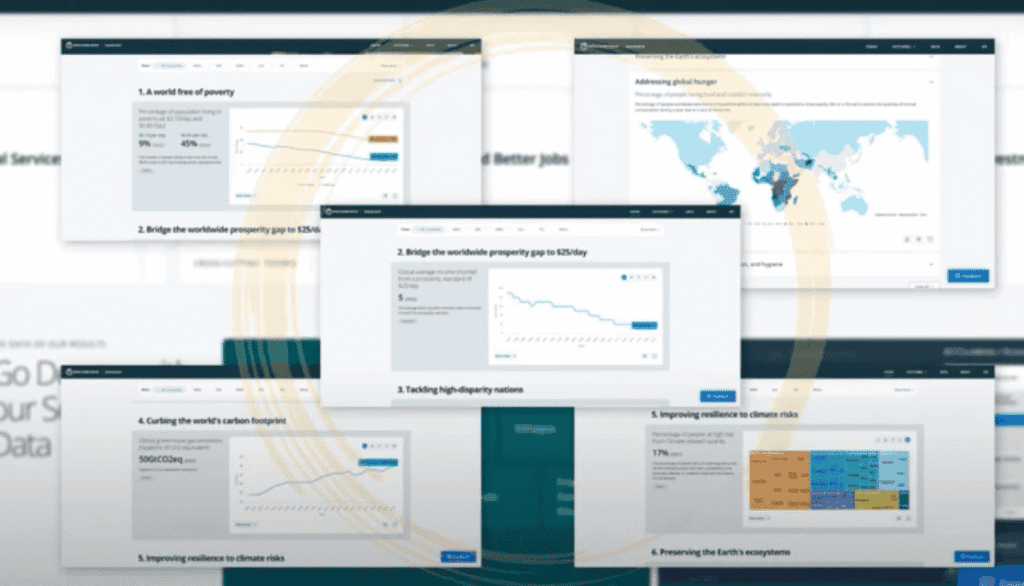
For years, the World Bank Group’s systems for measuring results operated in parallel tracks: corporate Scorecards that monitored performance through outcome-level targets, and impact evaluations
Building debt transparency and resilience across East Asia and the Pacific
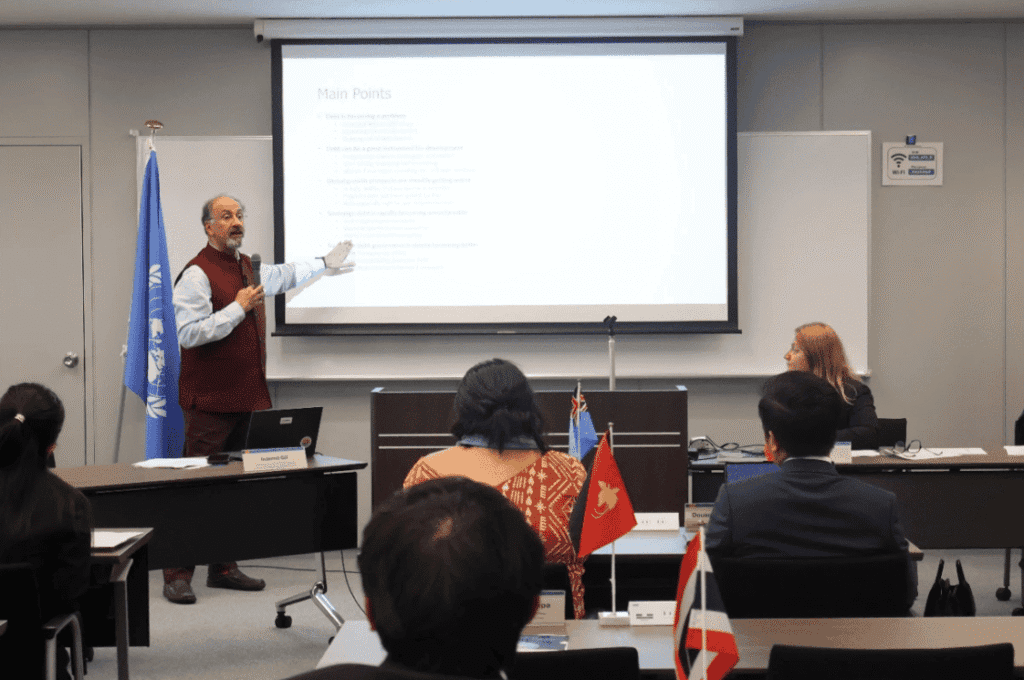
As the world continues to emerge from the COVID-19 pandemic and its aftermath, countries face new and unexpected challenges. Elevated debt levels, persistent inflation, and
What will it cost to build the cities of the future?

Cities are engines of economic growth and job creation, and their future pathways will shape global development outcomes for decades to come. But the success
Missing tariffs: How flawed data turn trade policy analysis into a Herculean task

When the Trump administration pledged to impose “reciprocal tariffs” on countries with “unfair” trade practices, trade economists scrambled to determine what such tariffs might look
Finding the sweet spot between bank rivalry and safety

Imagine your favorite open-air market. Stalls hustle for customers, prices fall, and shoppers win—until one fragile roof gives way and everyone scrambles. Banking is similar.
Going bigger, faster, together: Unlocking Eastern and Southern Africa’s digital future

Imagine getting to work on a program that will bring internet access and digitally enabled services to 180 million people. Opportunities like these illustrate the
Protecting Indigenous Peoples’ rights amid growing demand for land and critical minerals
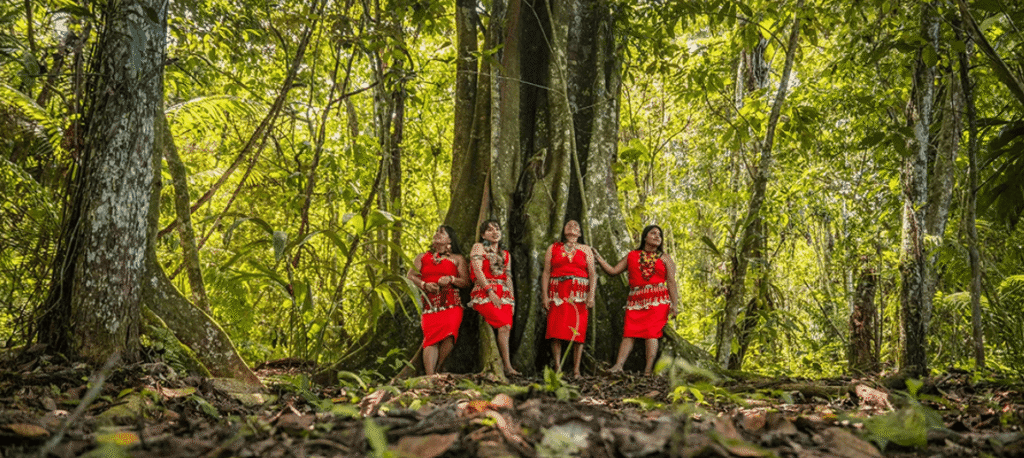
Over half of the world’s critical mineral reserves are located on or near Indigenous lands. As demand for critical minerals is set to surge 500 percent by 2050—and