


Powerful pacifism and currency dominance: What 150 years of international monetary system regime switches say about the US dollar’s future

The 20th century shift from sterling to the dollar is often cited as evidence that currency dominance is not forever. This column presents a nonlinear
Covered interest parity deviations and financial market frictions: Six decades of evidence

Persistent deviations from the covered interest parity no-arbitrage condition are viewed as evidence of the new and central role of balance sheet constraints and financial
Foreign currency funding risk and global financial stability

The Credit Suisse crisis in 2023 demonstrated that foreign currency funding vulnerabilities remain material even in advanced, well-regulated financial systems. This column introduces a new
The US dollar: Not a traditional safe haven

Safe-haven currencies are generally understood to appreciate when risk sentiment deteriorates, providing investors with insurance. This column demonstrates that the US dollar differs from that
Ripples presaging a financial tsunami

Loss of confidence in the US dollar’s reserve currency status could trigger a collapse of the US Treasury market and international financial fragmentation. This column
GCC bank debt issuances top $60bln in 2025, to remain strong in 2026: Fitch

GCC lenders account for 30% of USD issuances by EM banks this year. Debt issuances by banks in the Gulf Cooperation Council (GCC) are set
Tariffs and US dollar depreciations: Not so surprising after all
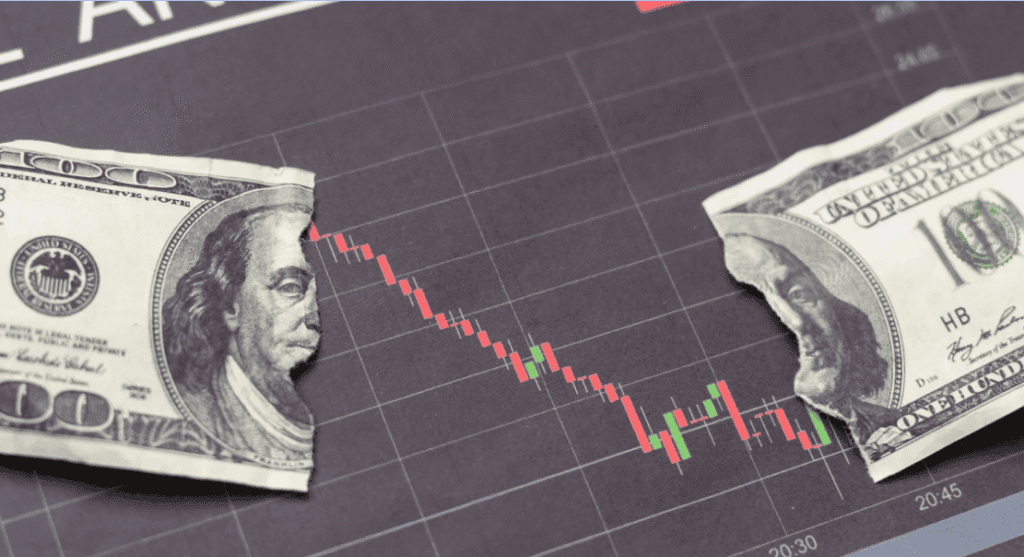
To many, the US dollar depreciation following the ‘Liberation Day’ tariff announcement on 2 April 2025 defied conventional wisdom. However, open-macro models predict that the
Recent patterns in global risk behaviour in financial markets

Following the US tariff announcements in early April, the US dollar strongly depreciated while US Treasury yields rose. This column zooms in on the April
The battle for trade currency dominance: The dollar vs the renminbi in Argentina

The US dollar has traditionally dominated the invoicing of international trade. But could other currencies one day replace it? This column examines a unique policy
Rethinking exchange rate flexibility in the post-Bretton Woods era: Evidence from a new index

The collapse of the Bretton Woods system has traditionally been cited as heralding a major shift towards floating exchange rates. The extent of this transition