

Reimagining data and statistical systems in the Digital Era: the Indian Experience

Digital transformation involves how organizations use technology, people, and processes to deliver value in an increasingly connected world by reimaging their business processes. For governments,
Public R&D and Brazil’s agricultural revolution

It is often argued that returns to R&D are low in developing countries, making imported technologies a better path to growth. Yet technologies designed for
Is AI adoption impacting job markets in South Asia?

The rapid development of artificial intelligence (AI) is transforming the global economy and reshaping labor markets. What does this mean for the South Asia region?
The impact of interest: How loan rates shape firm investment

Monetary policy moves aggregate investment, but the underlying drivers remain unclear. This column opens the black box with a German firm survey. A one percentage
Stock market participation and financial education in the digital age

Stock market participation remains low, especially among the older, less affluent, and less educated households, despite its clear benefits for wealth preservation and growth. Although
Matching skills across borders: Are global skill partnerships a win-win solution for sending and receiving countries?

The world is at a demographic inflection point, presenting both challenges and opportunities. On the one hand, lower and lower-middle-income countries, particularly sub-Saharan Africa and
Belt, Road Summit concludes with nine deals, $1bln deals

Organizers highlighted that Hong Kongآ’s external trade with Belt and Road countries reached $276bln in 2024. The 10th Belt and Road Summit in Hong Kong
Can AI give small scale producers the right advice?

The World Bank has long recognized the critical importance of agricultural extension services – ranging from training and data to technology transfer – which make
Crypto, tokenisation, and the future of payments

The introduction of crypto technology and tokenisation is spurring changes in the financial system. Meanwhile, the Trump administration is taking steps to integrate crypto into
How is innovation competition exacerbating global overcapacity?
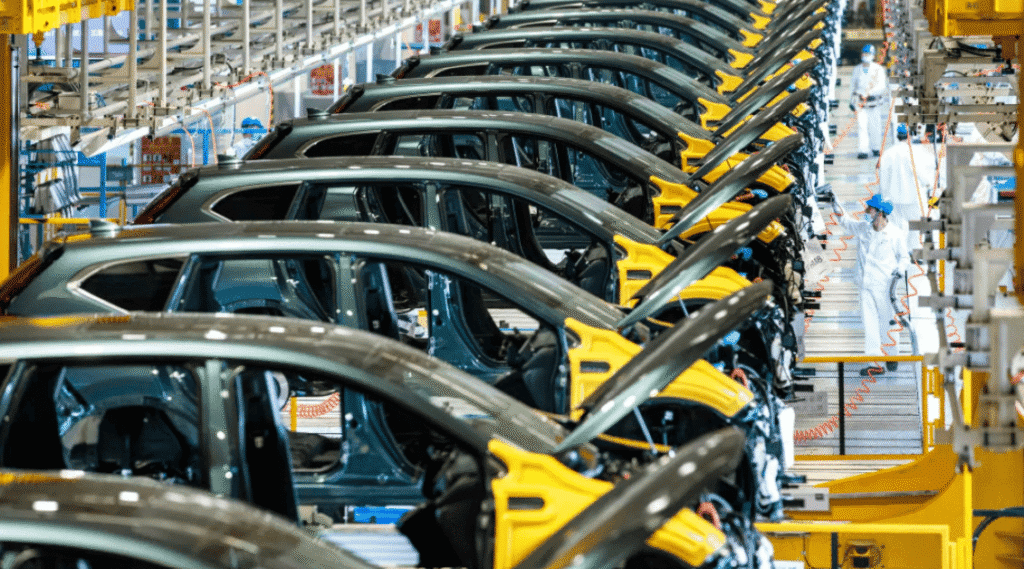
The world is moving into a period of entrenched manufacturing overcapacity, threatening deflation and stagnant growth. Over the past two decades, China has emerged as