

Your debt, my inflation: The role of trust in the ECB
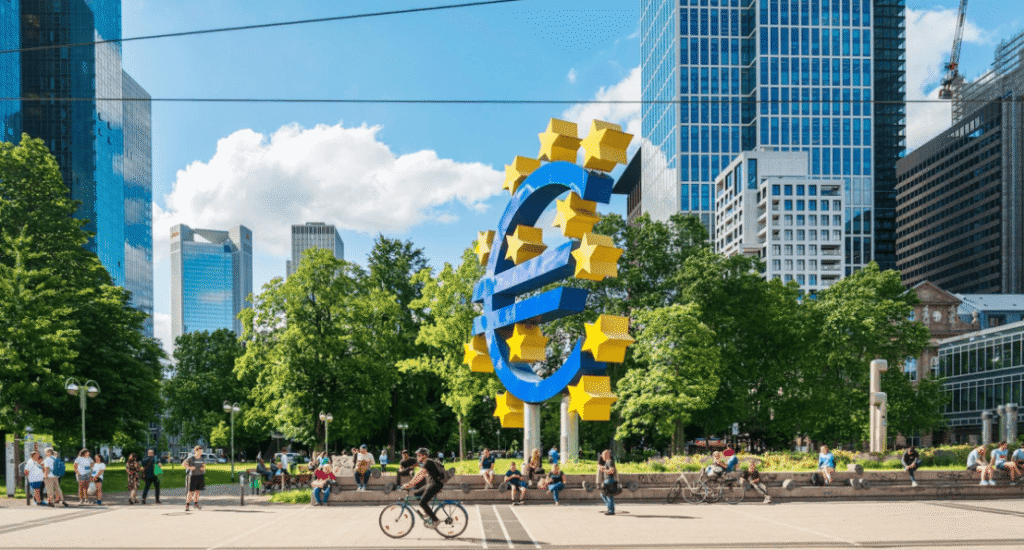
High public debt in several euro-area countries has renewed the debate over a central question: can fiscal pressures in one member state affect inflation expectations
Global imbalances and the China challenge

China’s trade surplus is widening, its manufactured exports are surging, and the political backlash is intensifying. This column argues that the widening trade surplus reflects
How climate policies can speed up manufacturing decarbonisation in the Western Balkans

Western Balkan firms are adopting measures to reduce environmental impacts, but smaller local firms need support to comply with EU regulations. The European Union’s carbon
Capital inflows boost output, even after accounting for expectations

Emerging market economies that are expected to perform well may attract more foreign capital, making it difficult to establish the causal effects of capital inflows
The European Union’s automotive sector needs a plan, not undue protection
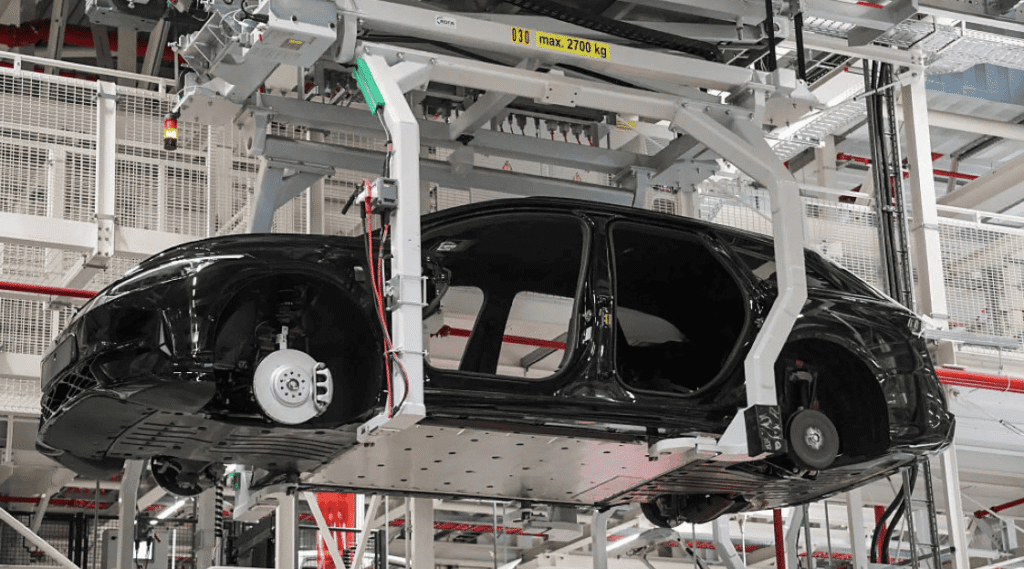
European automotive policy should prioritise affordable competitiveness over protectionism, using resilience criteria and temporary safeguards. The European automotive industry faces significant challenges: electrification, Chinese competition
Building resilience to global financial shocks in emerging markets

Emerging markets are vulnerable to sudden shifts in investor sentiment, which can lead to pressure on exchange rates and financing conditions. Using panel evidence from
Financing the startup J-curve

High-growth startups often lose money before they make it. This column examines whether differences in financing capacity are reflected in the cash flow and growth
Closing the gap in borrowing costs for emerging market firms

Firms in low- and middle-income countries persistently pay more to borrow than firms in high-income economies. Drawing on a new World Bank Group study of
Competition or collusion: Entry decisions in the Swedish pharmaceutical market

Many countries have adopted different price regulations to contain pharmaceutical prices, even in markets exposed to generic competition. This column documents subtle pricing patterns in
Europe’s regulatory double bind

The European Union’s AI Act – the world’s most ambitious regulatory framework for artificial intelligence to date – was supposed to enter into full effect