


The market value of non-degree credentials: New evidence from 37 million US workers

Non-degree credentials are rapidly multiplying as alternatives to traditional higher education, but in a largely unregulated market. This column draws on nearly 40 million US
Winners and losers from remote work: How firm capabilities impact productivity

Work from home is now a permanent feature of how firms organise production, yet its effects on productivity remain unclear. Using new data covering all
Trump’s mortgage-backed bond purchases not moving needle on housing costs
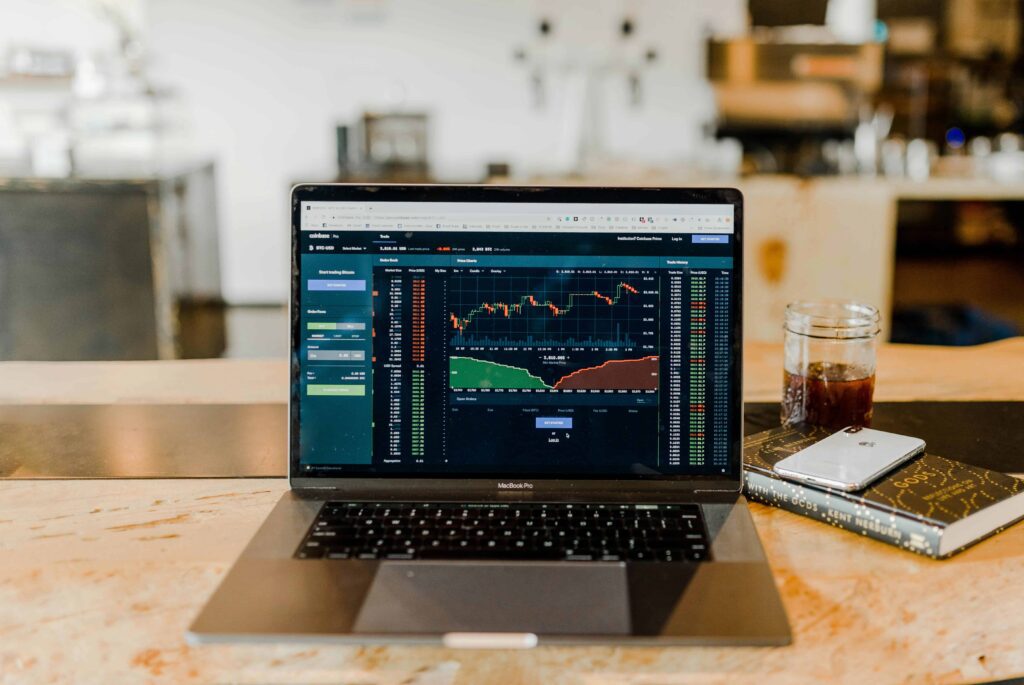
Experts say $200bln bond-buying effort unlikely to significantly lower housing costs. There’s scant evidence so far that U.S. President Donald Trump’s bid to make housing
Europe’s emissions trading system is an ally, not an enemy, of industrial competitiveness

The 2026 review of the EU ETS must be anchored in facts and focus on the potential benefits of the system to EU competitiveness. The
Two decades of Chinese industrial subsidies

China’s industrial policy has become a central flashpoint in global trade debates, yet systematic evidence on what China actually does remains scarce. This column reveals
Tariffs, global imbalances, and the dollar

While the Trump administration has offered multiple justifications for imposing tariffs, none has been as prominently cited as the goal of reducing trade deficits. This
Cities that work: How urban tourism drives jobs

When cities invest in tourism, they invest in jobs, entrepreneurship, and growth. Marrakech is a compelling example. In 2024, the city welcomed nearly 4 million tourists, each
Egypt to invest $5.7bln in 480 oil wells

101 wells will be drilled in 2026. Egypt is planning to drill 480 new oil and gas exploration wells over the next five years, with
Timelines for Change: Timing Issues in Port Reforms

In port reform, timing isn’t just another detail — it represents the difference between a smooth transition and a stalled project. Master plans run for
Cancelled and postponed green hydrogen projects
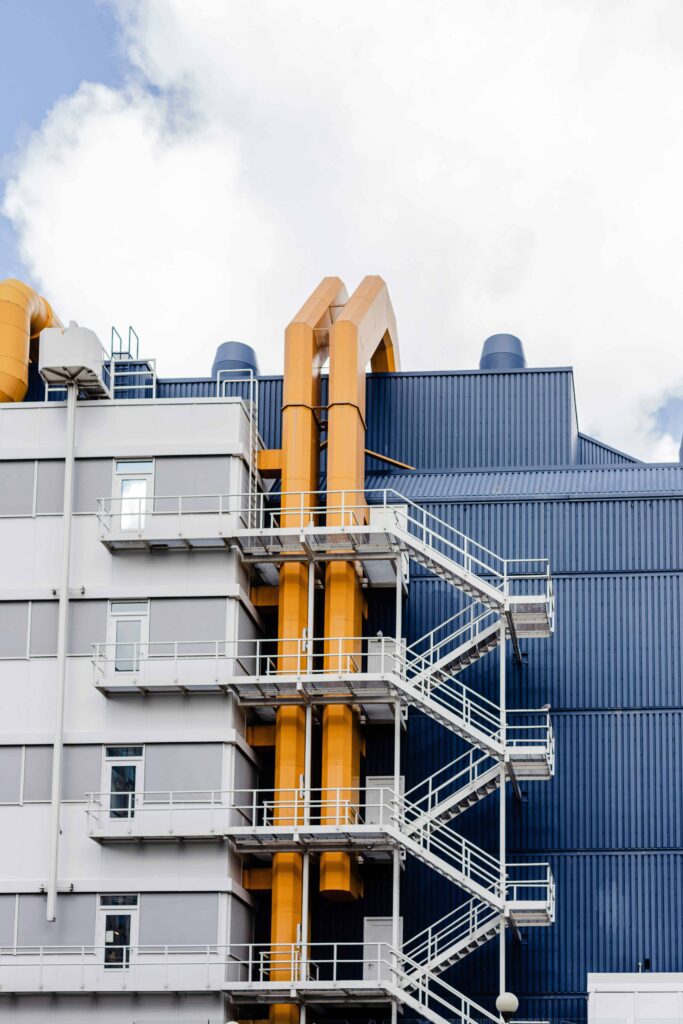
Developers of green hydrogen have scaled back investments and scrapped projects globally as elevated production costs and weak demand for the low-carbon fuel have made many