


Navigating the complex world of non-tariff measures

For decades, global trade debates have centered on tariffs – the duties countries impose on imported goods. Today, a new, more complicated set of trade
Supply chains and free trade agreements

Studies examining the effects of free trade agreements on the activities of multinational enterprises have tended to focus on trade between home countries and their
Gold rises more than 1% on risk-off mood, dollar pause

Non-yielding gold tends to do well in a low-interest-rate environment and during times of economic uncertainty. Gold prices gained more than 1% on Wednesday, with
How IFC is mobilizing capital for sustainable urban growth

Urbanization offers tremendous opportunities for job creation and economic growth, which can only be realized if cities invest in the infrastructure needed to support their
Gold climbs 2% on Fed rate cut as investors weigh US-China trade talks

Spot gold climbed 1.3% to $3,980.00 per ounce as of 1109 GMT. U.S. gold futures for December delivery slipped 0.2% to $3,991.50 per ounce. Gold
Political polarisation drives talent away: Evidence from Spain’s health sector

Given the growing prevalence of political and social polarisation, understanding its effects on society is of paramount importance. This column discusses the effects of an
From policy to results: How legal solutions drive development impact

Strong legal systems are essential to the goals of the world’s development agenda. They enable governments and institutions to design and implement the policies, laws, and
As Trump-Xi trade talks near, investors turn to history as a guide
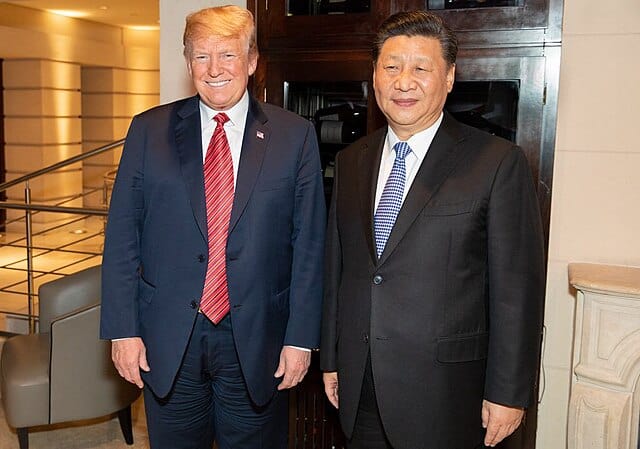
Even if the Trump-Xi meeting does not produce a definitive end to their trade war, investors are prepared to buy into any de-escalation in tensions.
Reimagining data and statistical systems in the Digital Era: the Indian Experience

Digital transformation involves how organizations use technology, people, and processes to deliver value in an increasingly connected world by reimaging their business processes. For governments,
Transforming schools for better learning outcomes

Education is the pathway to jobs and the surest way out of poverty, empowering generations to drive economic growth. Yet, for many students, this promise