

Capitalising on Europe’s strengths

In recent years, the European economy has shown remarkable resilience, whilst continuing to transform. This column reveals how EU firms have adapted supply chains and
A wartime labour market: The case of Ukraine

The full-scale Russian invasion of Ukraine in 2022 has generated one of the largest labour supply and reallocation shocks in recent history. This column reveals,
The EU’s path to service growth and clean tech

The US is taking actions to reshore manufacturing while largely abandoning decarbonisation. This column argues that, in response, the EU should capitalise on the potential
Mortgage borrower actions dampen the impact of higher rates on monthly payments

The surge in inflation following the COVID-19 pandemic prompted many central banks to raise interest rates sharply. This column combines data from a large German
A silver lining to the European energy crisis: Energy efficiency, productivity, and potential output

The 2022 natural gas price shock triggered the largest rise in fossil fuel prices in Europe since the 1970s. This column examines the impact on
Mapping the contours of Chinese policy transmission at home and abroad
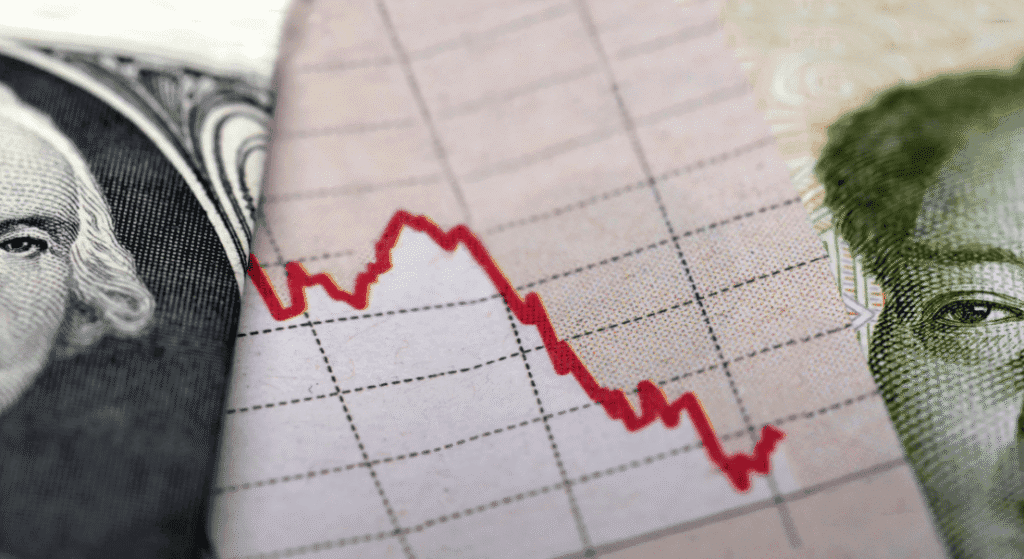
China’s place within international trade networks and global supply chains makes the propagation of Chinese shocks a global phenomenon. This column discusses the channels of
Why inflation may respond faster to big shocks: The rise of state-dependent pricing

Macroeconomic models distinguish time-dependent pricing, where firms change prices at fixed intervals, from state-dependent pricing, where firms change prices in response to changing demand or
Europe’s public finances in a warming world

Climate change is increasingly shaping macro-fiscal outlooks. Extreme weather events, chronic damages from global warming, and decarbonisation efforts all have growing implications for public finances
Pricing cascades: Inflation in a networked economy

The post‑pandemic inflation surge is often attributed to pent-up demand and opportunistic price hikes by firms. This column argues that the surge was not driven
US tariffs may deepen integration, elsewhere

While recent analysis has focused on direct impacts of US tariffs and potential retaliation, major US trading partners have intensified trade negotiations with each other,