


How Donald Trump should have tackled the US trade deficit
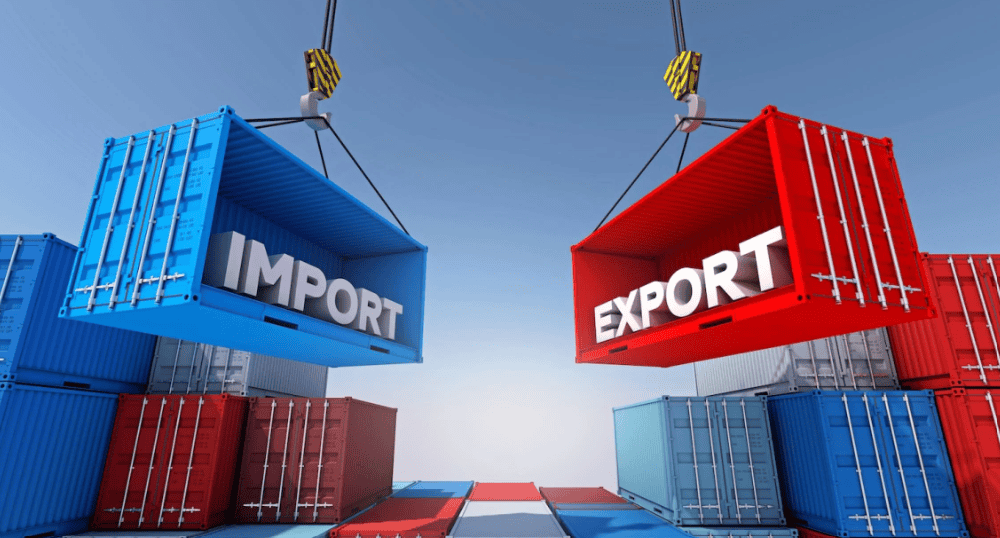
The US trade deficits will have to be reduced materially to prevent a crisis down the road. This column argues that fiscal consolidation, in association
How wage inequality affects the labour movement

The negative correlation between inequality and unionisation rates in the US has been extensively documented, but while the other direction of causality – the impact
How central bankers speak about climate and what this means for financial markets

Central banks have increasingly engaged with climate-related topics in their public communication, but little is known about the drivers and effects of this shift. This
Gender-neutral economics can no longer be the default

Economic research often treats tools such as tariffs, subsides, interest rates, monetary policy, and austerity measures as gender neutral. This column argues that when sex-disaggregated
The (projected) cost of Russian aggression

The 2022 Russian invasion of Ukraine marked an end to stability in Europe. This column analyses the economic effects for Ukraine, Russia, as well as
The supply side of monetary policy: How floating-rate loans blunt the ECB’s fight against inflation

Central banks raise interest rates to reduce aggregate demand and bring inflation down. This column uses credit register data and product-level price data from the
Households’ subjective expectations: Disagreement, common drivers, and reaction to aggregate shocks

Understanding how households interpret macroeconomic policy is vital to the effectiveness of central banks. This column demonstrates that the reactions of individual households frequently contradict
Powering the energy future of Europe and Central Asia

The prosperity and economic transformation of Europe and Central Asia (ECA) hinge on making energy reliable and affordable for all. Across the region, many countries
How developing countries can measure exposure to the EU’s carbon border adjustment mechanism
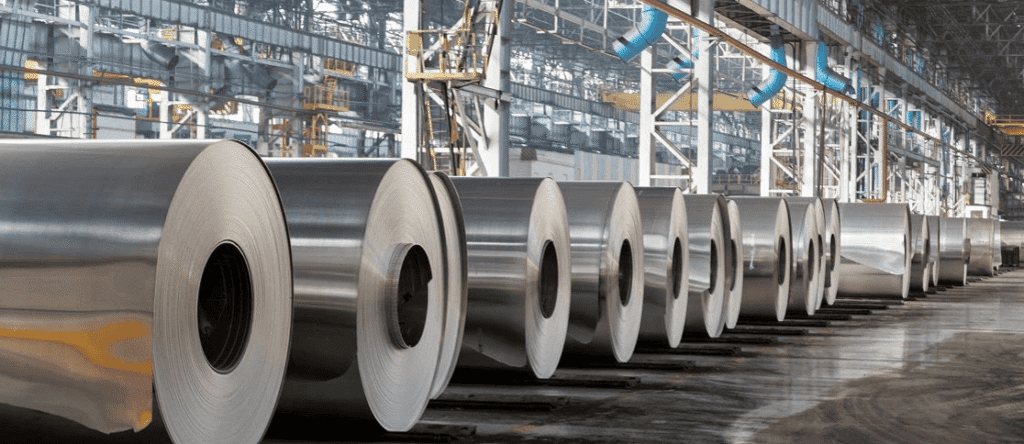
In January 2026, the European Union will require importers of certain carbon-intensive goods to pay for their products’ embodied carbon emissions. The policy, known as the
Why Childcare Matters for Women’s Jobs in the Agrifood Sector

“When I tried to find work in the handmade hammock industry, a traditional craft in my area, I only lasted two months because I had