


Ahead of a presidential election, France first needs to help itself on debt
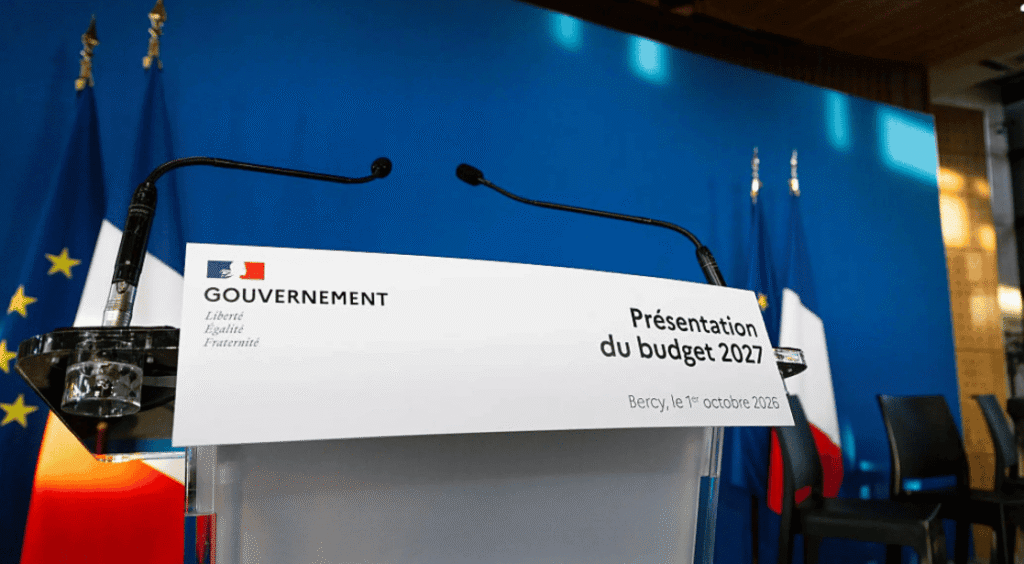
When could market stress justify European Central Bank intervention over French debt and what must France do first for such support to be defensible? After
Fiscal populism and monetary policy rules

Populism may not only have contemporary but also long-term effects on the macroeconomy. Using data for advanced economies and emerging markets since 1960, this column
Remunerating means of payment

Non-remuneration of digital money acts as a distortionary tax, making EU bans on interest for e-money and stablecoins hard to defend. Though banknotes cannot technically
Fool’s gold: How geopolitical risk is taking some of the shine off the US dollar

US Treasuries remain the world’s dominant reserve asset, but geopolitical risks can change how central banks assess the trade-off between liquidity and protection from foreign
Financial engineering is no substitute for interest rates: Lessons from Türkiye
The Turkish central bank cut interest rates over 2021-2023, on the politically driven view that higher rates cause inflation. This column analyses the policies used
Why Europe needs Eurobonds
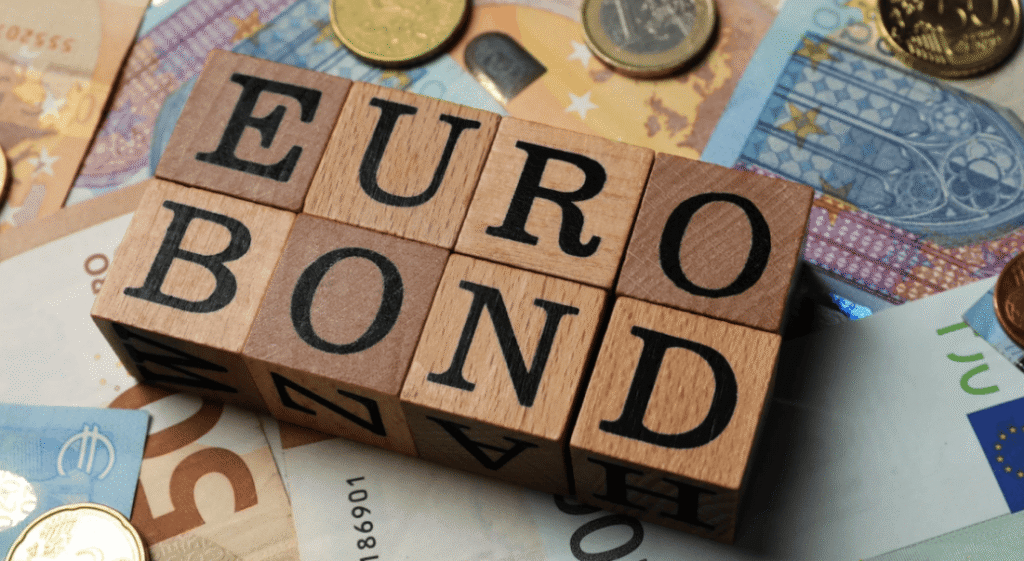
The 2024 reform of the EU fiscal framework makes fiscal adjustment more country-specific and less procyclical. However, it does not eliminate two fundamental tail risks:
Why more information can make macroeconomic expectations less accurate: Global evidence from 47 countries

Households do not simply choose how much macroeconomic information to acquire; they choose among sources that differ in representativeness and credibility. Using a survey of
When the news you watch shapes the inflation you expect

Central banks lean on communication to anchor inflation expectations. But most households learn about the economy from the news rather than from policy statements, and
Rethinking the use of quantitative easing for macro stimulus

Quantitative easing has faced recent criticism for causing large central bank losses and contributing to the post-COVID inflation, raising the question of under what conditions
Precious metals retreat from record highs

Precious metal prices declined in 2026Q2 (q/q) after 14 consecutive months of gains through February, including a 24 percent increase in 2026Q1. By June, gold