


Saudi market cap surges 463% to $2.7trln, now largest in region

The market capitalisation of Saudi Stock Exchange (Tadawul) has surged by 463% over the last ten years to reach $2.7 trillion at the end of
Dollar slips, Taiwan dollar surge draws eyes

The U.S. dollar slipped again on Monday as a meteoric surge in its Taiwanese counterpart stoked speculation some Asian countries were prepared to engineer revaluations
Emirates airline posts record annual profit on strong travel demand

Dubai’s Emirates airline on Thursday reported a record full-year profit, boosted by strong international travel demand on major routes. The results underscore a sustained rebound
Oil rises as market eyes US-China trade talks, lower US output

Oil prices pared gains on Wednesday but rose for a second session, finding support from positive investor sentiment over U.S.-China trade talks to be held
Gold rises as Fed flags economic uncertainty; Sino-US trade talks in focus

Gold climbed on Thursday after the Federal Reserve warned of rising inflation and labor market risks fuelling economic uncertainty, while investors awaited the outcome of
Agrifood powers economies and jobs across Europe and Central Asia

As economies develop, it is often assumed that agriculture becomes less relevant—a small slice of GDP and a shrinking share of employment. But evidence from
Digital Pathways for Education: Enabling Greater Impact for All

The world is facing a longstanding global learning and skills crisis. Over half of 10-year-olds in low- and middle-income countries cannot read and understand an age-appropriate
Empowering Africa’s future: How Higher Education Centers of Excellence are driving innovation
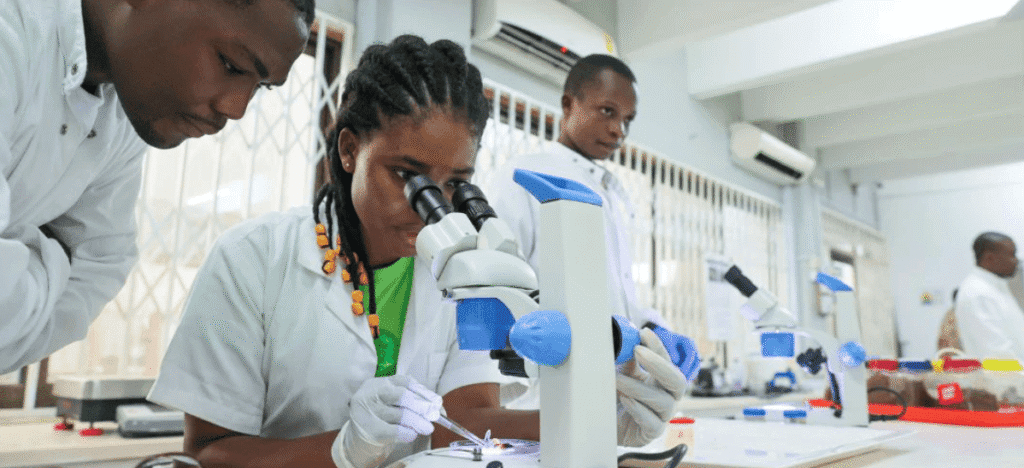
A thriving economy is built on talent. Across Africa, the job market faces a growing shortage of highly skilled professionals in critical fields such as
Protecting Indigenous Peoples’ rights amid growing demand for land and critical minerals

Over half of the world’s critical mineral reserves are located on or near Indigenous lands. As demand for critical minerals is set to surge 500 percent by 2050—and
Agrifood powers economies and jobs across Europe and Central Asia
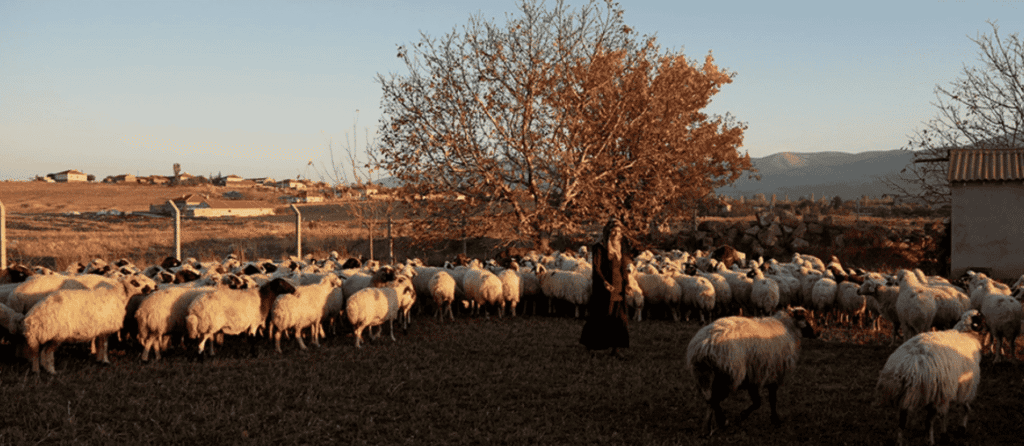
As economies develop, it is often assumed that agriculture becomes less relevant a small slice of GDP and a shrinking share of employment. But evidence