


When debt perceptions shape fiscal futures

Voters fear debt, but they do not understand it. Using data across 13 countries, this column shows that most people dramatically misjudge debt levels and
The lasting economic scars of war

Wars leave deep and lasting scars on economies. Using data for 115 conflicts across 145 countries over the past 75 years, this column documents large
Dutch households spend less of their income on fixed and necessary expenditures

Households with high fixed and necessary expenditures relative to income are more vulnerable to income shocks. This column examines fixed and necessary expenditures for middle-income
China’s shrinking oil footprint: How electric vehicle adoption is shaping China’s oil consumption

Between 2005 and 2024, China more than doubled its oil consumption, accounting for over half of the global increase in oil demand during that period.
Updating my priors on the effectiveness of wage subsidies in developing countries

In 2017 I published (ungated) a review of active labor market programs in developing countries, in which I concluded that the “accumulated evidence suggests that wage subsidies
Overcoming the middle-income trap: Why institutions matter

Many middle-income countries (MICs) aspire to achieve high-income status, yet only a few succeed. Since 1990, just 34 countries have made this transition. Today, 108 nations
How IFC is mobilizing capital for sustainable urban growth

Urbanization offers tremendous opportunities for job creation and economic growth, which can only be realized if cities invest in the infrastructure needed to support their
Conservation in the path of development: new data to guide road corridor investments

Biodiversity loss poses a direct threat to human well-being, economic development, and planetary health Biodiversity supports food security, clean water, climate stability, and livelihoods —
The hidden cycle: How informality shapes fiscal policy and sovereign default

The informal sector tends to expand during economic downturns and contract in recoveries, and is also highly sensitive to fiscal policy. This column explores the
The macroeconomic implications of extreme weather events: Insights from advanced economies
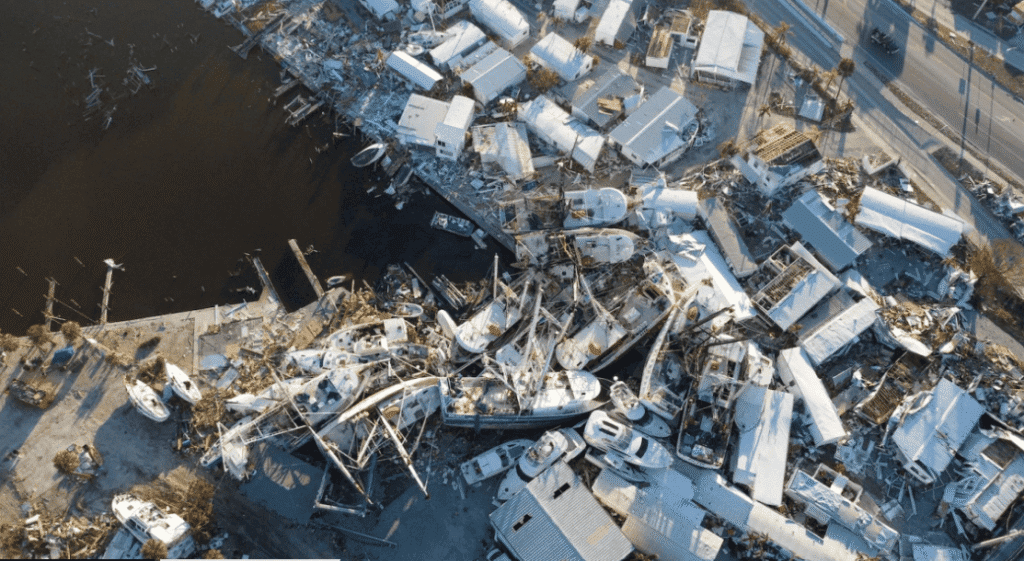
Extreme weather events are increasing in frequency and intensity, yet their macroeconomic impacts remain poorly understood. This column argues that the highly localised nature of