


Changing tariff treatment and the exports of developing countries
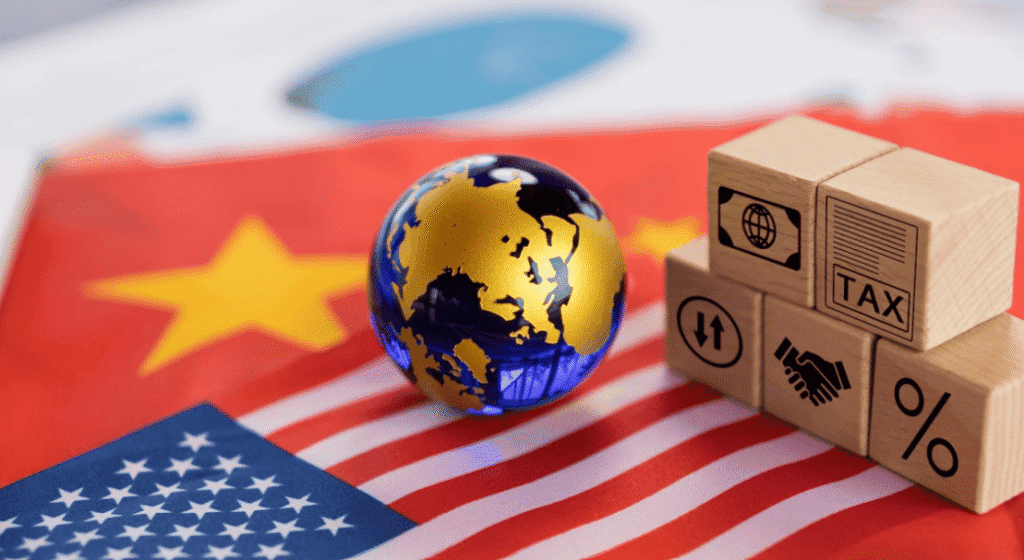
Recent changes in the tariff policies of the US and China are likely to affect developing countries in complex ways. This column argues that pre-existing
Political power and profitable trades in the US Congress

The debate over whether US members of Congress should be allowed to trade individual stocks has become a mainstream policy concern. This column uses data
The role of wages in retaining effective teachers in the classroom

Concerns about declining student achievements have become central in education debates, with teacher quality drawing attention as a key driver. This column examines how wages
Global trade to hit record $35trln despite slowing momentum
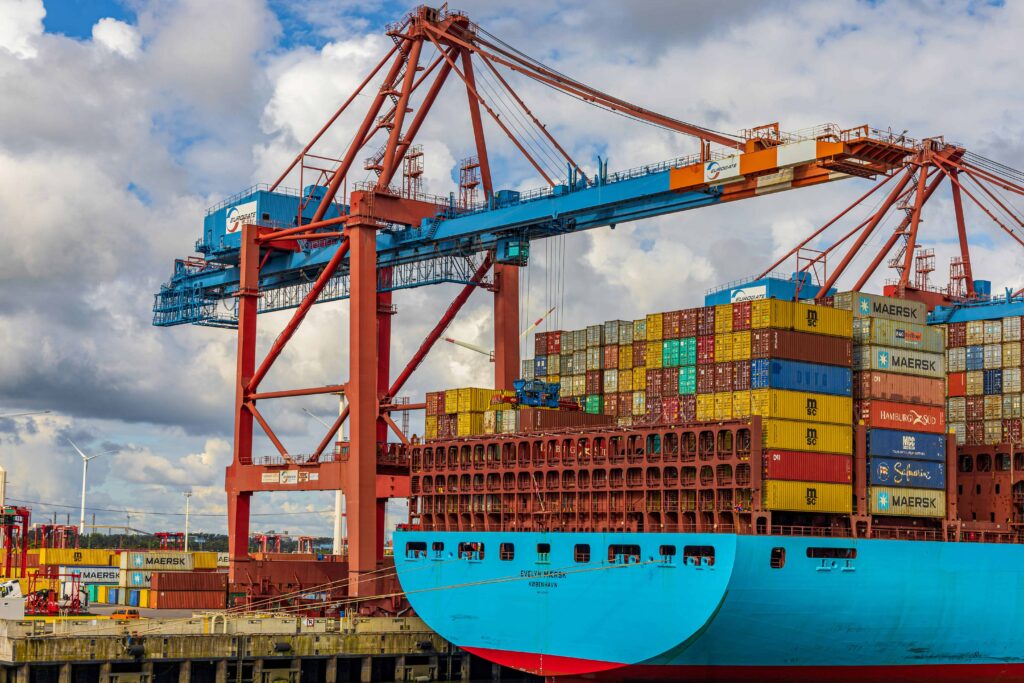
Between July and September, global trade grew 2.5% compared with the previous three months. Global trade is expected to grow about 7% in 2025, adding
Experiential learning in the age of AI

Kolb’s learning cycle experience, reflection, insight, and experimentation remains deeply relevant in a data-driven environment. Artificial intelligence has entered the workplace not as a distant
Dollar choppy as risk-off mood, dovish Fed unsettle markets

The risk selloff petered out somewhat in Europe, however, to leave the euro at $1.1704, steady on the day at a near two-month high, after
Gold eases after divided Fed rate cut vote; silver hits new high

Spot gold fell 0.3% to $4,217.09 per ounce, as of 1111 GMT. U.S. gold futures for February delivery gained 0.5% to $4,244.70 per ounce. Gold
Wheat steadies after selloff triggered by USDA’s production estimates

Gorey said investor positioning had become more neutral in recent weeks, and that because the Ukraine-Russia war was not impeding grain exports. U.S. wheat futures
Informality and the effects of minimum wage policy in developing countries

Increases in Brazil’s national minimum wage between 2000 and 2009 moved the country from a regime of low minimum wage bite to one of high
A European safe asset will require bolder steps

The EU aims to finance common priorities in defence, energy transition, and digital infrastructure with supranational EU bonds. This column argues that the current exclusion