

Public service deprivation and the rise of the far right

Far-right parties across the globe have made significant electoral gains in recent years. Some of them have even been able to defeat traditional cordons sanitaires that actively
Model-based regulation: Lending in times of COVID-19

Bank lending is inherently pro-cyclical. This is because, during upswings in the business cycle, banks tend to overestimate the creditworthiness of their borrowers, often resulting
Responses to COVID-19: The role of policy space

In early 2020, as COVID-19 morphed into a global pandemic, countries faced multifaceted challenges: a health crisis from a poorly understood disease, a financial crisis
Openness to trade and regional growth: Evidence from Italy during the First Globalisation

The economic, social, and political consequences of globalisation have been a hot topic in the public debate over the last decades. The international integration of
The safe asset potential of EU-issued bonds

Modern financial systems rely on safe assets. A ‘safe asset’ is defined by three characteristics (Brunnermeier et al. 2016, 2017, Brunnermeier and Huang 2018, Gorton
How to fix the European Union’s proposed Data Act

The draft European Union Data Act, proposed by the European Commission in February 2022, aims to fill a big gap in data regulation. It is intended
Has the Digital Markets Act got it wrong on app stores?

Apple’s iPhone and Google’s Android mobile operating system dominate the smartphone market. The two companies also control the app stores consumers use when downloading apps
If it doesn’t trade, is it really marketable debt?
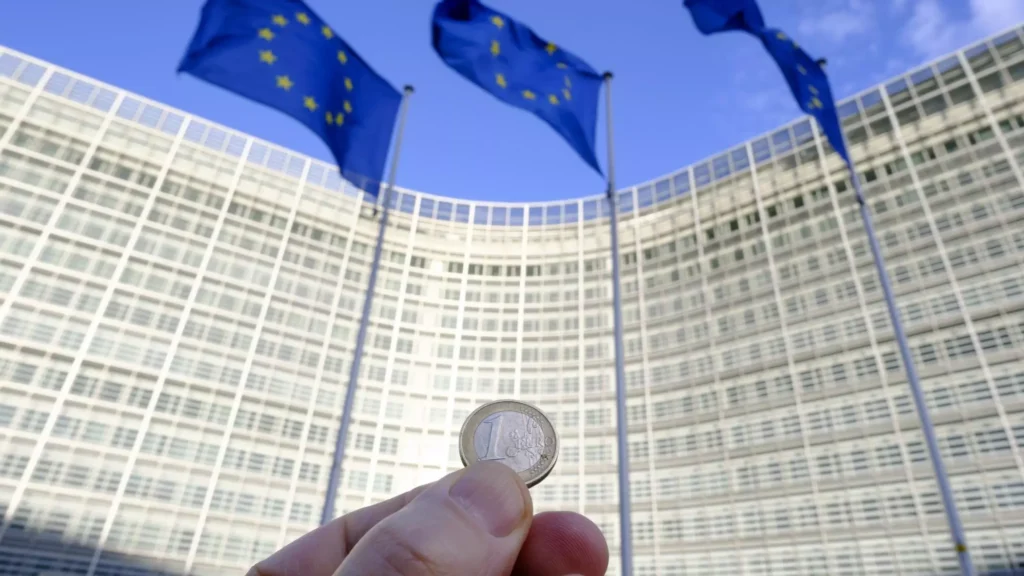
When it comes to encouraging fiscal discipline, euro-area policymakers want the market to be part of the solution. This will not succeed until they make