


AI financial crises

The rapid adoption of artificial intelligence is transforming the financial industry. This first of a two-column series argues that AI may either increase systemic financial
Flood risk and credit to SMEs

Floods are becoming more common and costly as a result of climate change. This column uses localised data from three European countries to identify the
A diverse investor base impacts the effectiveness of large-scale asset purchases

To combat the Great Recession following the 2008 financial crisis and the more recent pandemic recession, central banks around the world purchased unprecedented quantities of
The history of pre-modern European universities in a nutshell

Faculty mobility has been a hallmark of universities since their inception. The connections forged between distant campuses has facilitated the exchange of manuscripts and students,
The global semiconductor talent crunch: How protectionism backfired

The US aims to revitalise its domestic semiconductor manufacturing industry, but will there be enough skilled workers to meet the ambitious goals? This column presents
Deciphering the disinflation process

US inflation surged in the early post-COVID period, driven by various economic shocks including supply chain disruptions and labour supply constraints. Following its peak at
How to cut the UK debt interest bill

UK bond yields are currently higher than the G7 average, leading to historically high debt interest payments. Importantly, the level of breakeven inflation embedded in
Why global temperature matters

Climate change is frequently described as an existential threat, posing significant risks to our lives, livelihoods and the global economy. This view, however, stands in
The return to overseas visits by political leaders: Evidence from Japanese yen loan procurement auctions

Japan identifies ‘top-level sales’ through overseas visits by political leaders as an important policy tool to help Japanese firms win more infrastructure contracts. However, overseas
Implications of decarbonisation for fuel excise tax revenues and pricing of road transport externalities
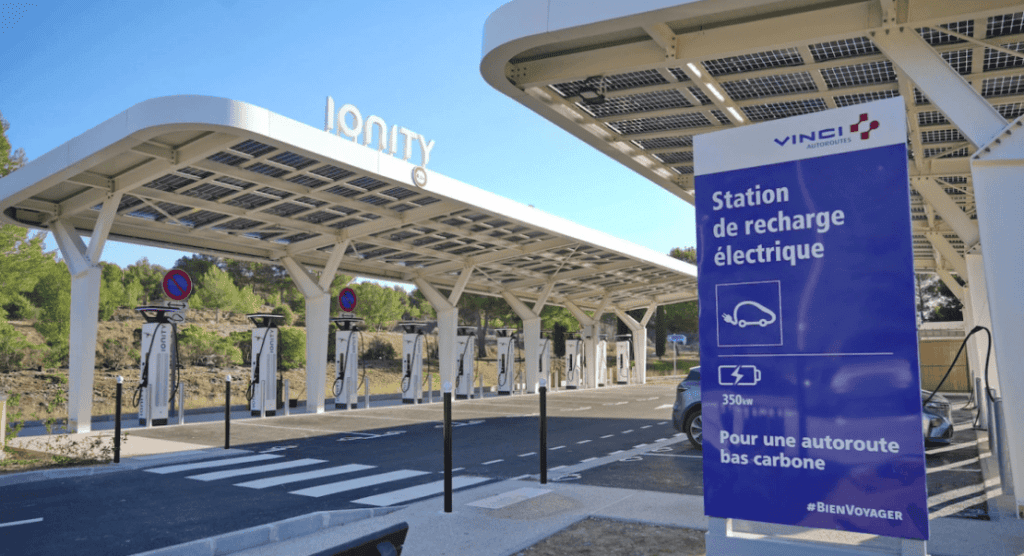
Fuel excise duties are a substantial source of tax revenue for many countries as well as a tool for pricing the climate and non-climate externalities