


The economics of exempting green vehicles from congestion pricing

It is increasingly popular for cities to exempt clean cars from congestion pricing tolls. This column uses data from Stockholm to show that congestion pricing
An economic test for protecting consumers from AI-powered collusion

With Big Data and artificial intelligence fuelling a growing market in the supply of algorithms by software and data analytic companies to assist firms in
Culture clash: What 14 million images tell us about times a-changin’

Style choices are an important dimension of culture and are often used to demonstrate individualism or belonging to a group. This column uses over 14
Confronting low fertility rates and population decline
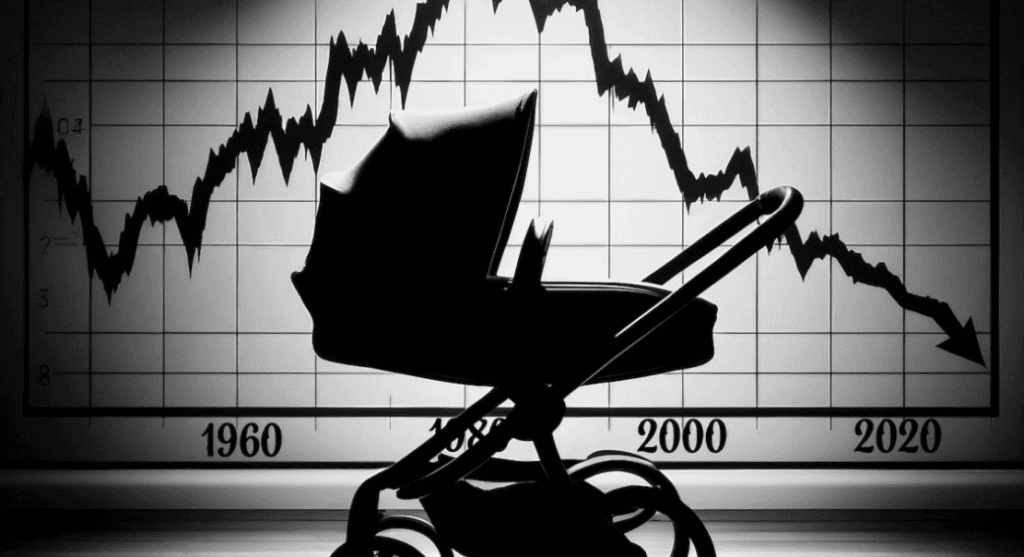
Fertility rates have been declining in high-income countries for decades. This trend, along with increasing human longevity, poses a challenge for advanced economies. This column
The effect of AI adoption on jobs: Evidence from US commuting zones

Harnessing the potential of artificial intelligence has become one of the top priorities for policymakers around the world. Yet, doing so first requires a thorough
Inclusive labour force participation can reverse the economic consequences of population ageing

Demographic ageing is putting considerable pressure on the economic and social systems of industrialised countries. This column highlights that although the US is in a
The effects of Tobacco 21 laws on tobacco product use: Comparing self-reports and biomarkers

Raising the legal age for purchasing tobacco products to 21 has emerged as a preferred strategy to reduce the rates of youth smoking and vaping
Different household, different inflation rate

Households differ considerably in terms of the inflation they experience at any point in time. This column examines the nature and sources of inflation differences
Demand versus supply: Drivers of the post-pandemic inflation and interest rates

Whether post-pandemic inflation can be explained by demand-side versus supply-side factors is critical for setting monetary policy. Nevertheless, there is widespread disagreement about the underlying
Managing to cope with natural disasters
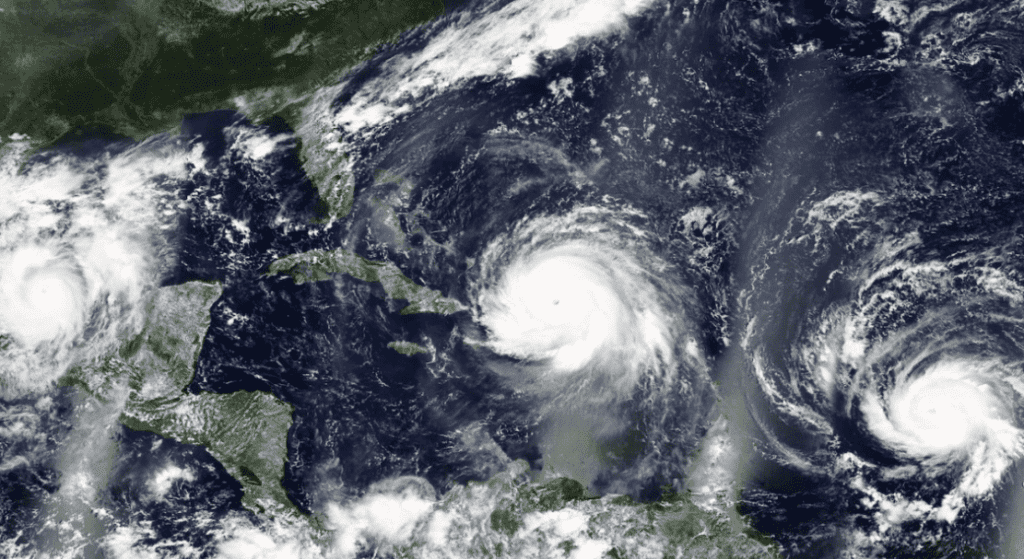
Human-induced climate change is making disasters more frequent and more intense. Policy could help reduce the economic costs of climate change by helping firms withstand