
Subnational debt in turbulent times: Navigating fiscal risks and market inefficiencies

Subnational governments are crucial actors in delivering public services and addressing structural challenges but are often overlooked in fiscal policy debates. This column analyses the
Artificial intelligence and workers’ wellbeing: Lessons from Germany’s early experience

Artificial intelligence may reduce the need for physically demanding tasks, but it could also erode job satisfaction, intensify cognitive load, and amplify anxiety. This column
Wars, taxation, and representation
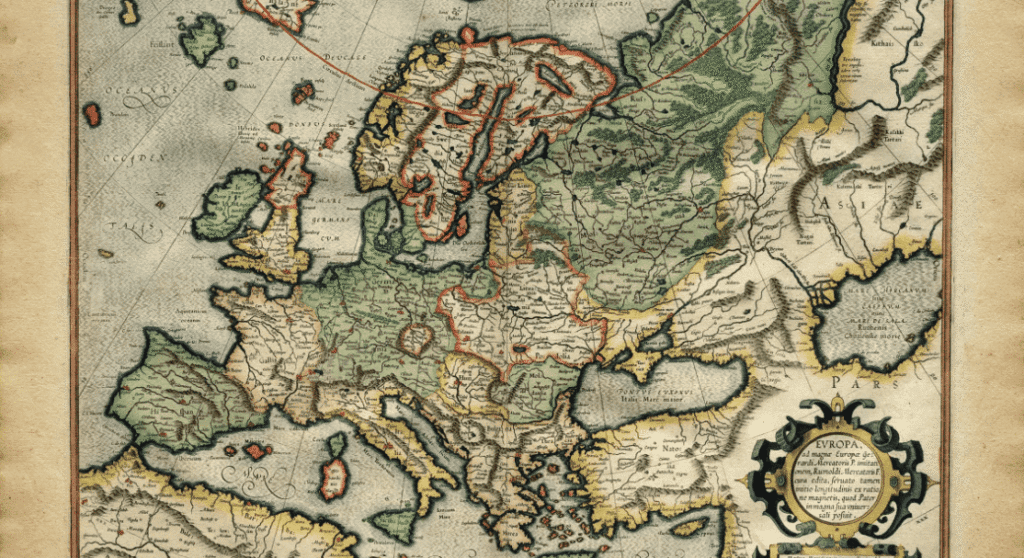
In the grand sweep of history over the last millennium, political divergence between Europe and contemporaneous world civilisations preceded economic divergence. This column describes how
Fighting the Mafia boosts bank lending and local growth

The EU is determined to clamp down on organised crime’s infiltration of legitimate businesses and banking. This column shows that dismantling Mafia connections leads to
The costs and benefits of a shorter workweek

Policy proposals like the four-day workweek have gained momentum in the aftermath of the Covid recession, raising the question of how many hours people would
Uneven vulnerabilities: A global index of climate risk for countries

Climate risk is at ‘code red’ level for the entire of humanity, prompting investors and policymakers to focus not only on the risks but also
The European single market: restarting the perpetual revolution
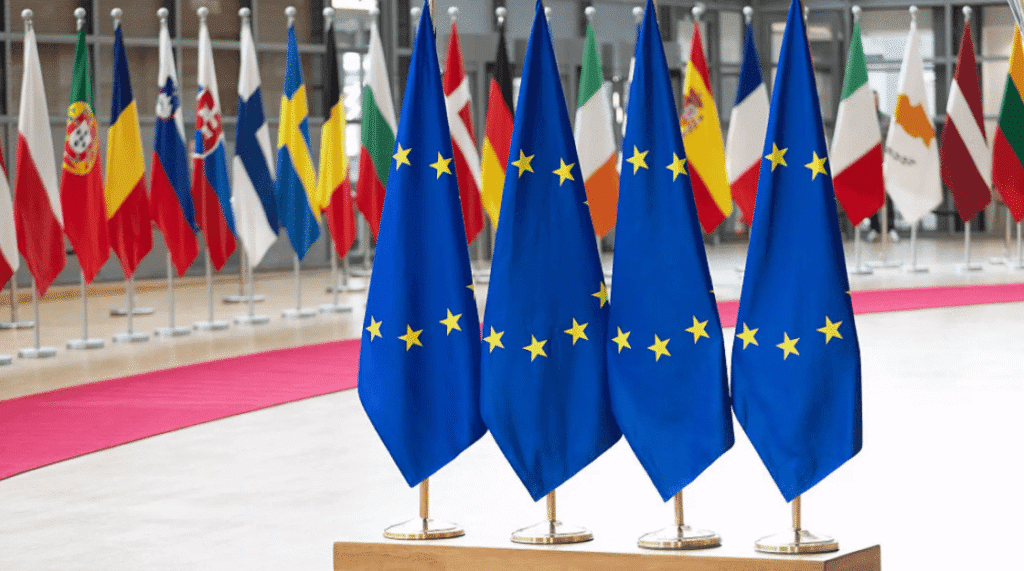
Boosting the EU single market needs stronger rule enforcement and targeted harmonisation, especially in services and regulated professions. The single market is the European Union’s
Economic convergence, demography, labour markets: what progress have EU candidate countries made?

Candidate countries remain far from European Union averages in terms of GDP per capita and their demographic and labour market characteristics. In this analysis, we
Why Russia’s economic model no longer delivers
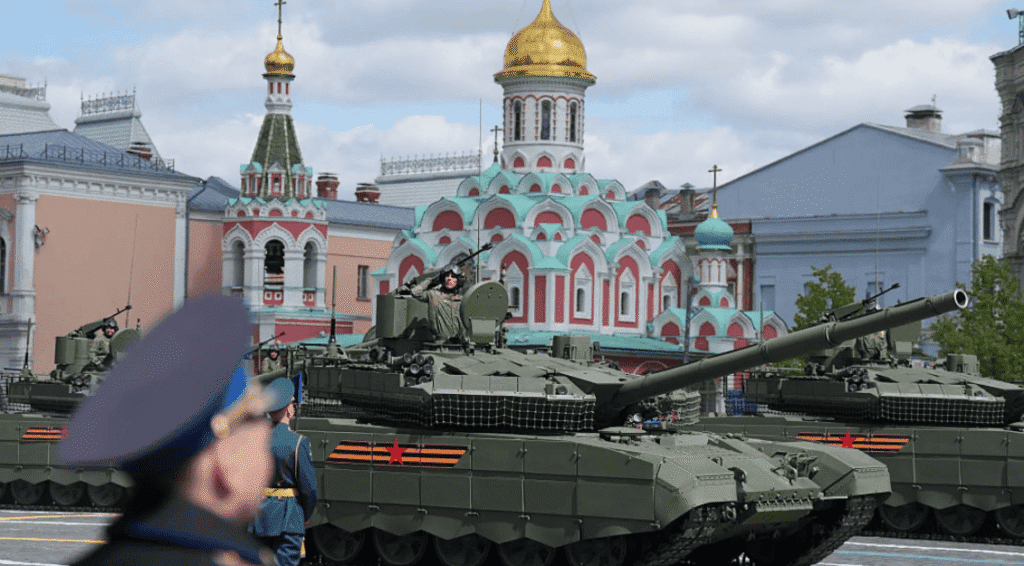
A contracting economy and low oil prices are signs of potential constraint on Russia’s ability to maintain its military capabilities. At the St. Petersburg Economic
European companies operating in China: from digging in to rethinking their presence
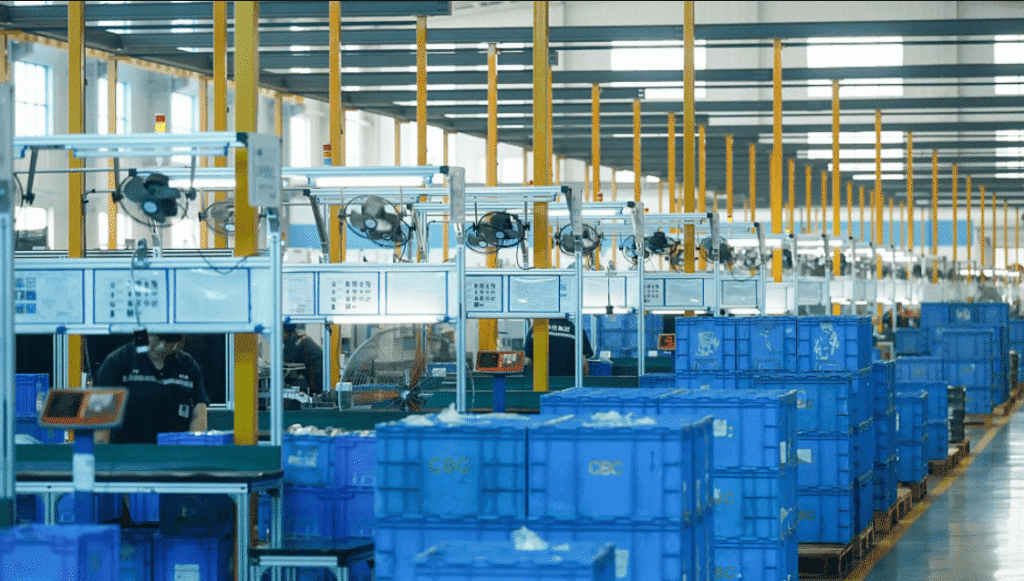
EU firms in China face low profits, rising pressure and reduced expansion, prompting strategy shifts and calls for stronger EU support. We use nearly a