


EU jobs and US trade: Navigating change

Trade uncertainty between the EU and the US – driven by the announcement of new tariffs and a volatile global economy – has raised concerns
Globalization and the reform of European social models

Combining product and capital market reforms at EU level with labour market and social policies at national level would be desirable, particularly within the euro
Charitable giving in wartime: Evidence from Ukraine’s war fundraising

In the context of financing Ukraine’s wartime economy, Western governments have paid little attention to how Ukrainians are funding the war themselves. This column analyses
Unintended consequences of lockdowns: Evidence on violence against women

Violence against women intensified under COVID-19 lockdowns. The most rigorous literature evaluating the impact of stay-at-home measures, job loss, and social isolation on various forms
Beyond carbon: The overlooked benefits of fuel taxation

Fuel and carbon prices are typically assessed based on their effectiveness in reducing emissions, while their broader societal benefits often go overlooked. This column evaluates
The China shock hits Germany

Trade with China displaced large parts of the American workforce in the 2000s, but Germany did not experience a similar shock at the time. This
Global shocks, institutional development, and trade restrictions: Learning from crises and recoveries between 1990 and 2022

During the past 20 years, the world economy has suffered two major crises in the form of the Global Financial Crisis and the COVID-19 pandemic.
India PM Modi faces opposition fury after Trump’s 25% tariff threat
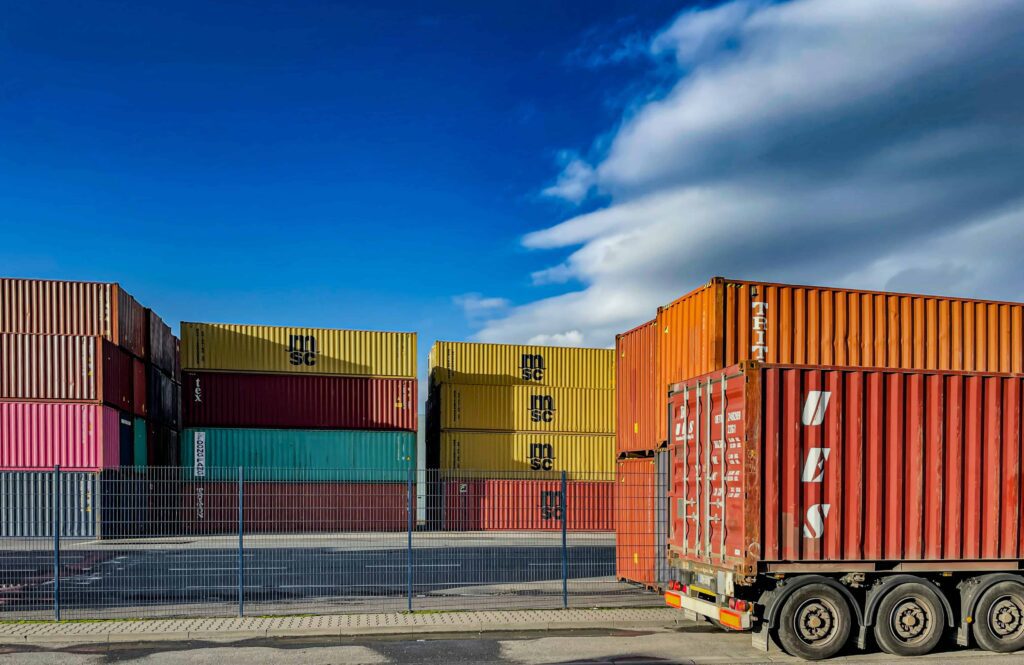
Trump said the tariff on imports from India would start from Friday, in addition to an unspecified penalty for Russian dealings and involvement in the
Dollar forges higher as Trump releases new tariff barrage

Yen sinks, Bank of Japan signals no hurry to resume rate hikes. The dollar headed for its strongest weekly performance in almost three years against
Oil steadies as investors mull US tariff impacts

Investors weigh impact from Trump threats over Russian oil. Oil prices were little changed on Friday and heading for a weekly gain as investors weighed