


EU likely to propose to G7 lowering price cap on Russian oil to $50 per barrel
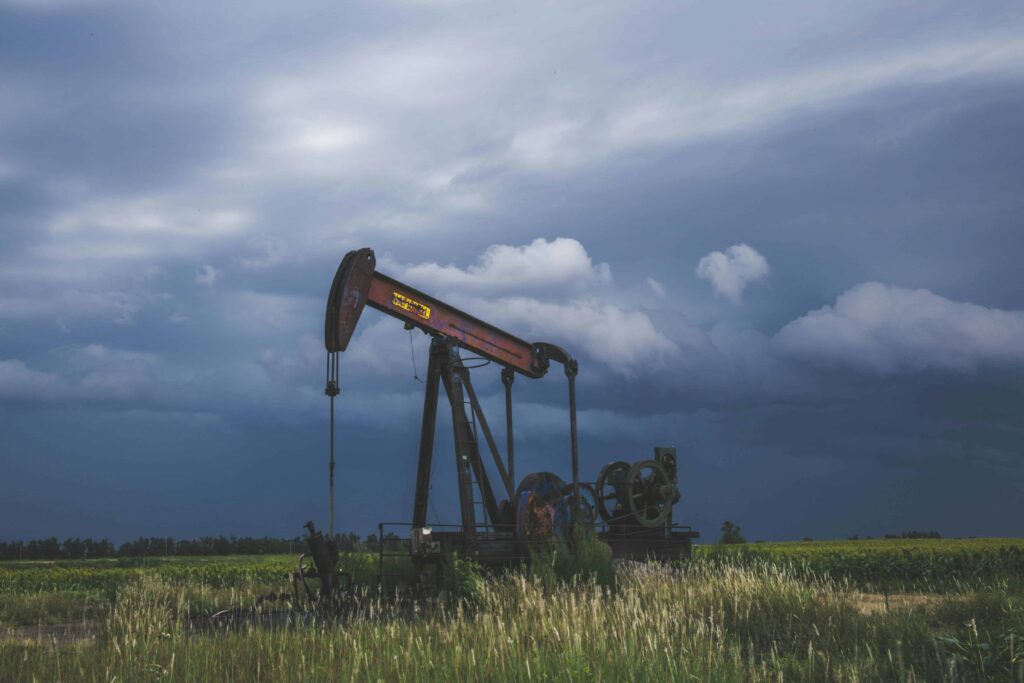
The EU will propose to G7 finance ministers this week to lower the current $60 per barrel price cap on Russian seaborne oil as part
Nvidia plans to sell tech to speed AI chip communication

Nvidia plans to sell a technology that will tie chips together to speed up the chip-to-chip communication needed to build and deploy artificial intelligence tools, it
Sovereigns on thinning ice: debt sustainability, climate impacts and adaptation

A fundamental problem for sovereigns enacting climate policies is whether they can manage increasing debts as their economies suffer from adverse climate impacts. We develop
New eBook: Trump’s Great Trade Hack

President Trump’s 2025 tariffs mark the onset of the post-American leadership era. This column introduces The Great Trade Hack, a new CEPR Rapid Response book
The trade imbalance network and currency fluctuations

In recent years, concerns over global financial fragmentation have grown amid rising geopolitical tensions. This column integrates a network structure in a multi-country model with
Chinese banks and their EMDE borrowers
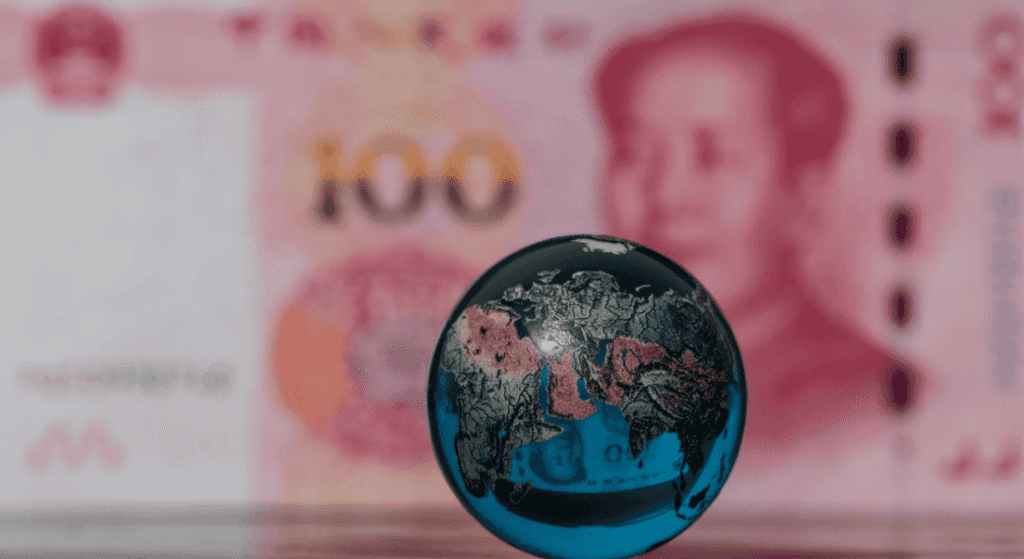
Although Chinese banks have remained the top lenders to emerging markets and developing economies (EMDEs), their growth has slowed and their lending patterns have changed
The Nordic model of wage coordination at a crossroads

Strong coordination of wage setting has been maintained in Nordic countries through pattern bargaining. The tradables sector sets the first agreement, which then serves as
Big techs’ AI empire

Advances in AI are transforming the economy. Behind this wave of visible innovation lies a less visible but significant trend: the role of large technology
Overcoming constraints: How banks helped US firms reroute their supply chains

Rising trade tensions and the pandemic have forced importers to reconfigure their supply chains – a complex and costly process. This column highlights the underappreciated
Commodity prices fell in April
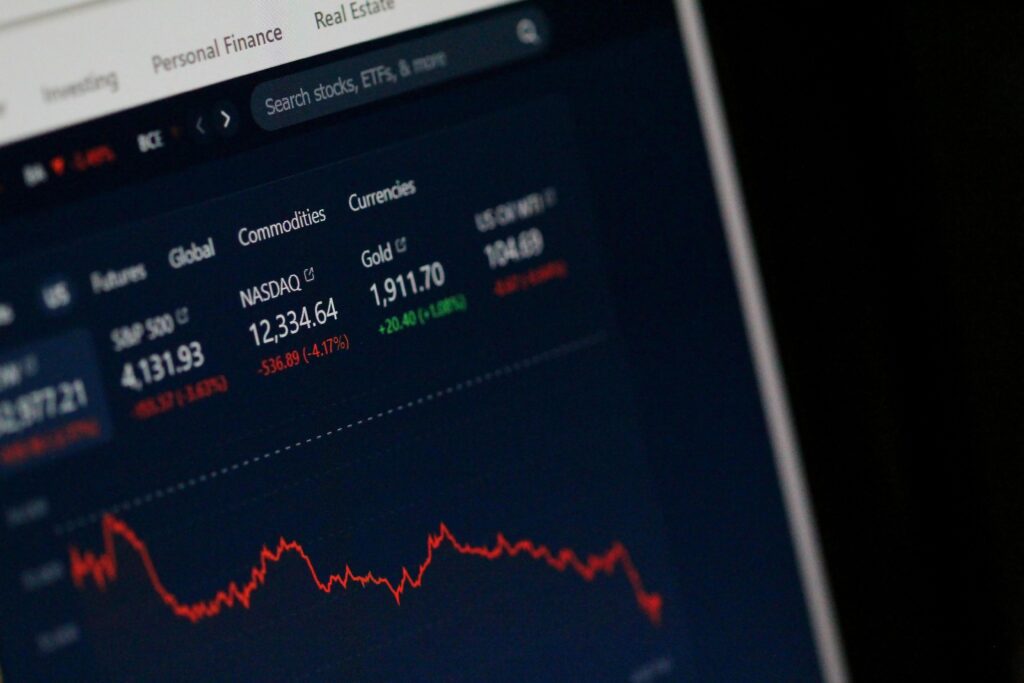
The energy price index fell 7.6% in April, led by declines in U.S. natural gas (-17.6%) and crude oil (-6.8%), the World Bank’s Pink Sheet reported. Non-energy