

Hacking the heat: How data innovations can help cities face a rising threat

In Paris, authorities closed more than 1,000 schools — and the summit of the Eiffel Tower — during last month’s heatwave. In Eastern China, the power grid
Finding the signal in the score: How the World Bank Group is aligning the Scorecard and impact evaluations
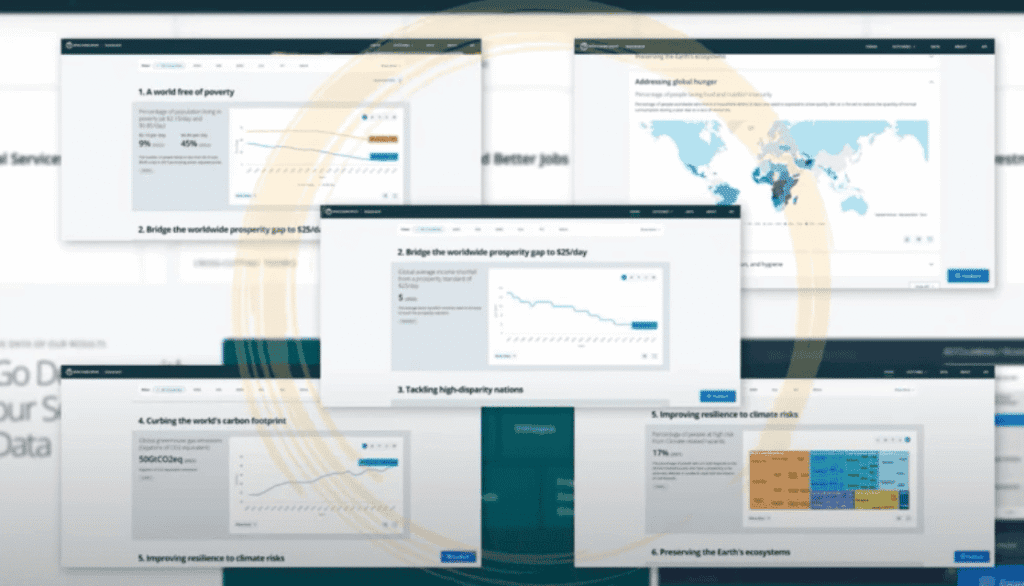
For years, the World Bank Group’s systems for measuring results operated in parallel tracks: corporate Scorecards that monitored performance through outcome-level targets, and impact evaluations
Post-Pandemic Poverty Estimates for the MENA Region
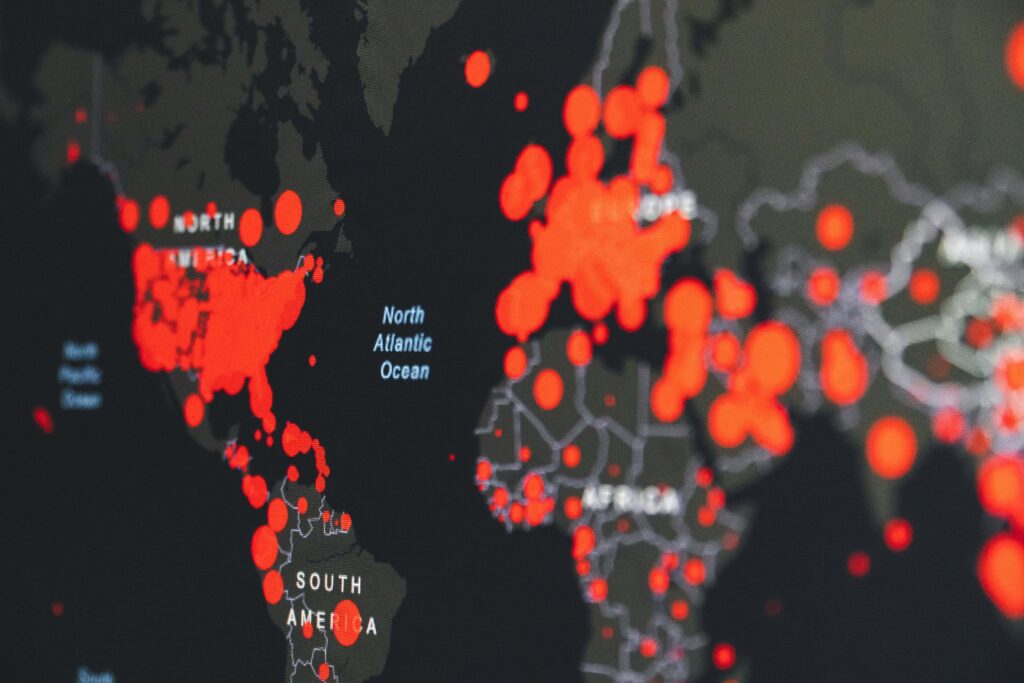
In the fight against poverty, timely, reliable, and open data is our compass. Without it, we are unable to track progress toward the Sustainable Development
Risks and challenges in global agricultural markets

Agricultural commodity prices continued their downward trend in the second quarter of 2025, with the World Bank’s agricultural price index dropping nearly 7 percent since
The supply side of monetary policy: How floating-rate loans blunt the ECB’s fight against inflation

Central banks raise interest rates to reduce aggregate demand and bring inflation down. This column uses credit register data and product-level price data from the
The battle for trade currency dominance: The dollar vs the renminbi in Argentina

The US dollar has traditionally dominated the invoicing of international trade. But could other currencies one day replace it? This column examines a unique policy
Interlocking directorates and competition in banking

The presence of directors on the boards of competing firms (‘interlocking directorates’) raises concerns about collusion. This column studies the Italian corporate loan market and
Dynamism in generative AI markets since the release of ChatGPT

The success of ChatGPT has raised fears that the excessive concentration of generative AI technology within one or two leading US companies could reduce market
Understanding the impact of private equity on employees

The growth of the private equity in recent years has raised concerns about its consequences. This column matches 2.5 million workers who were employed by
Beyond tariffs: Chinese state-owned enterprises in the trade war
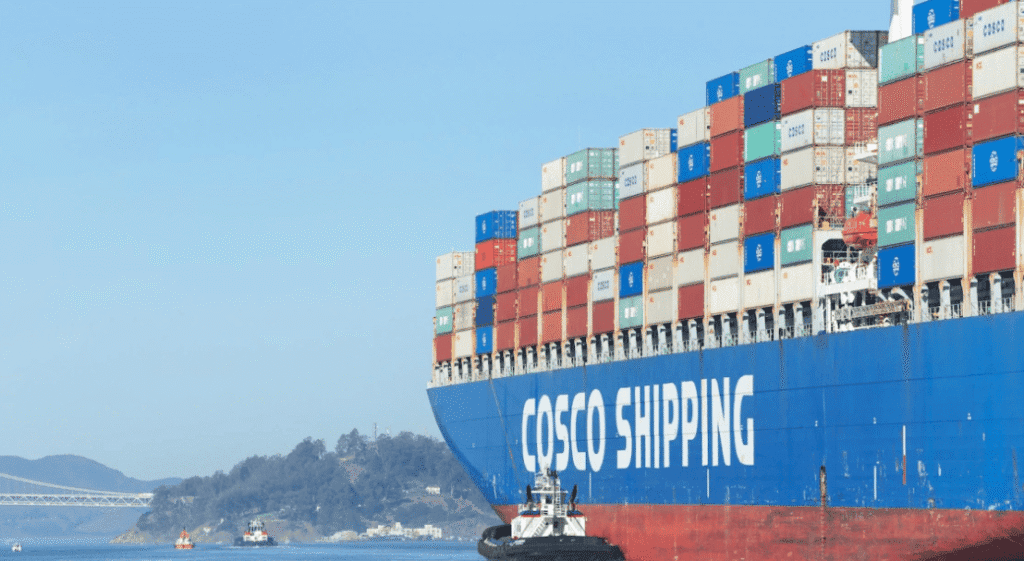
While tariffs have been the most visible policy tool during the US-China trade war, anecdotal evidence points to the use of Chinese state-owned enterprises as